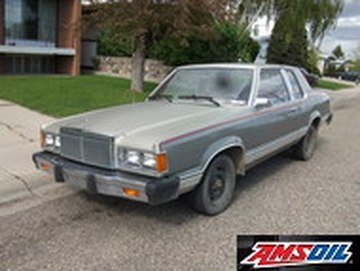
Engine Lubrication and Maintenance for the 1981 Mercury COUGAR 3.3L
Maintaining a vehicle from the early 1980s requires a shift in perspective compared to modern automotive care. For an owner of a 1981 Mercury COUGAR equipped with the 3.3L engine, routine service is not just about following a schedule; it is about monitoring the physical condition of aging components and ensuring that the lubrication system remains effective. Because mechanical parts and seals change over decades of use, proactive observation is often more valuable than strictly adhering to generic maintenance intervals.
Monitoring Fluid Integrity and Potential Leaks
One of the most practical aspects of maintaining an older engine is performing regular visual inspections for fluid integrity. Over time, various gaskets and seals may experience changes in their ability to maintain a tight barrier. When inspecting the 3.3L engine, it is useful to look for signs of seepage or active leaks around sealing surfaces.
A thorough inspection should include checking the area surrounding the oil pan and other major engine junctions. If you notice dark staining or wetness on the underside of the engine or where components meet, this may indicate that a seal is beginning to age. Similarly, inspecting any visible hoses for signs of cracking, softening, or bulging can help prevent unexpected cooling or vacuum issues. While these observations do not necessarily point to a specific failed component, identifying them early allows for more controlled and planned maintenance rather than reacting to an emergency.
Observing Changes in Engine Performance
Beyond visual inspections, the way the vehicle behaves during operation can provide significant clues regarding its lubrication needs. Owners should remain attentive to any changes that deviate from the vehicle's normal operating state. For example, if you notice a change in how the engine sounds or if there is an unusual odor after driving, these symptoms warrant further investigation.
It is important to understand that many different issues can produce similar symptoms. An unusual noise might be related to various mechanical factors, and a specific odor could indicate oil contacting a hot surface rather than a major internal failure. Rather than attempting to diagnose a problem based on a single symptom, use these observations as a prompt to perform a more detailed inspection of the engine bay and fluid levels. Consistent monitoring helps in distinguishing between minor, manageable issues and those that require immediate professional attention.
Prioritizing Maintenance Through Condition-Based Assessment
As vehicles age, the most effective way to manage maintenance is to prioritize tasks based on the actual current condition of the machine rather than relying solely on the calendar. For a 1981 Mercury COUGAR, this means establishing a baseline of what "normal" looks like for your specific engine.
If you do not have a complete service history for the vehicle, your first priority should be to document its current state. This involves checking fluid levels, inspecting the condition of accessible belts (if equipped), and noting any existing minor leaks. Once this baseline is established, you can track changes over time. For instance, if an engine requires slightly more oil than it did six months ago, that trend is more informative than a single measurement. By focusing on active signs of wear or aging materials, you can distinguish between necessary preventive maintenance and the unnecessary replacement of parts that are still functioning correctly.
The Role of Lubrication in Engine Longevity
Engine oil performs several vital roles that are essential for the continued operation of the 3.3L engine. Primarily, it provides a layer of protection between moving metal surfaces to reduce friction. This reduction in friction is critical for managing the heat generated during the combustion process and ensuring that internal components can move freely without excessive wear.
Furthermore, the oil acts as a medium to carry away heat from areas where liquid coolant may not reach directly. It also helps to suspend small particles of debris or soot that naturally occur during engine operation, preventing them from settling and forming deposits. Maintaining clean, fresh lubricant is one of the most effective ways to manage these factors and support the long-term mechanical health of the engine.
Managing Aging Components and Electrical Connections
In addition to lubrication, an older vehicle requires attention to its electrical and auxiliary systems. Over several decades, wiring harnesses and electrical connectors can become brittle or develop corrosion due to environmental exposure. During routine service, it is beneficial to inspect accessible electrical connections for signs of fraying or oxidation. Ensuring that these connections remain clean and secure helps prevent intermittent electrical issues that can affect engine performance.
If the vehicle is equipped with various drive belts, these should be inspected regularly for signs of glazing, cracking, or fraying. While a belt may appear functional, subtle changes in its texture or appearance can indicate that it is nearing the end of its service life. Taking these small steps during every oil change or routine inspection creates a comprehensive approach to vehicle care that goes beyond simple fluid replacement.
Practical Guidance for Buying Engine Oil for your 1981 Mercury COUGAR 3.3L
When it is time to replenish the lubrication in your engine, the most important step is to ensure the product matches the specific requirements of your application. Because different engines have different tolerances and operating needs, you should never rely on general automotive knowledge or assumptions based on the vehicle's age when selecting a lubricant.
To make an informed purchase, match the engine oil to the application-specific viscosity information already displayed on this webpage. Before finalizing your selection, check the product labeling to ensure it meets current quality standards and certifications. Depending on your specific needs and the condition of your engine, you may encounter various options such as conventional oils, synthetic blends, or full synthetic formulations. Some high-mileage oil formulations also contain additives intended for use in aging engines, including seal-conditioning additives. Always verify that the product you choose aligns with the technical data provided in the application information above to ensure the best possible care for your 3.3L engine.